Understanding Endometriosis and how Therapeutic Reflexology may support you
- Introduction
March is internationally recognised as Endometriosis Awareness Month, a time dedicated to increasing awareness about a condition that affects millions of women worldwide. Despite being relatively common, endometriosis often remains misunderstood and undiagnosed for many years.
In today’s post, we shall explore what endometriosis is, how it affects women’s lives, and how complementary therapies such as Therapeutic Reflexology may support overall wellbeing and quality of life.
- What is Endometriosis?
Endometriosis is a condition where tissue similar to the endometrium (the lining of the uterus) grows outside the uterus.
These tissue deposits may develop on structures such as:
- The ovaries;
- Fallopian tubes;
- The outside surface of the uterus;
- The bladder or bowel; and
- The pelvic lining (peritoneum).
Just like the normal uterine lining, these tissues respond to hormonal changes during the menstrual cycle. However, because the tissue is located outside the uterus, it cannot exit the body during menstruation. This may lead to inflammation, irritation, and pain in the pelvic area.
- How Endometriosis effects on Daily Life
Endometriosis is more than just painful periods. For many women, it can significantly affect physical wellbeing, emotional health, work productivity, and personal relationships.
Common symptoms may include:
- Severe menstrual cramps;
- Chronic pelvic pain;
- Pain during sexual activity;
- Painful bowel movements or urination during menstruation;
- Fatigue and low energy levels; and
- Fertility challenges.
Many professional women struggle silently with these symptoms while trying to balance demanding careers, relationships, and family responsibilities.
- Diagnosing Endometriosis
Diagnosing endometriosis can sometimes take several years because symptoms may be mistaken for normal menstrual discomfort.
Healthcare practitioners may use several approaches to investigate the condition, including:
- Medical history and symptom evaluation;
- Pelvic examinations;
- Ultrasound imaging; or
- Laparoscopy (a minimally invasive surgical procedure used to confirm diagnosis).
If you suspect that your symptoms may be related to endometriosis, it is important to consult a qualified medical practitioner for proper evaluation and diagnosis.
It should be stated, that Therapeutic Reflexologists are therapists and not diagnostic practitioners and therefore cannot diagnose the condition. However, once you have been diagnosed, Therapeutic Reflexologists may provide supportive therapy.
- Treatment Options
Medical treatment for endometriosis varies depending on the severity of symptoms and individual patient circumstances.
Possible treatment options may include:
- Hormonal therapies to regulate the menstrual cycle;
- Pain management medication;
- Surgical procedures to remove endometrial lesions; or
- Lifestyle and stress management strategies.
Many women also explore complementary therapies to support their overall wellbeing and manage the stress and discomfort associated with the condition.
- Therapeutic Reflexology and Endometriosis Support
Therapeutic Reflexology is a non-invasive complementary health modality regulated by a statutory council, the Allied Health Professions Council of South Africa (AHPCSA).
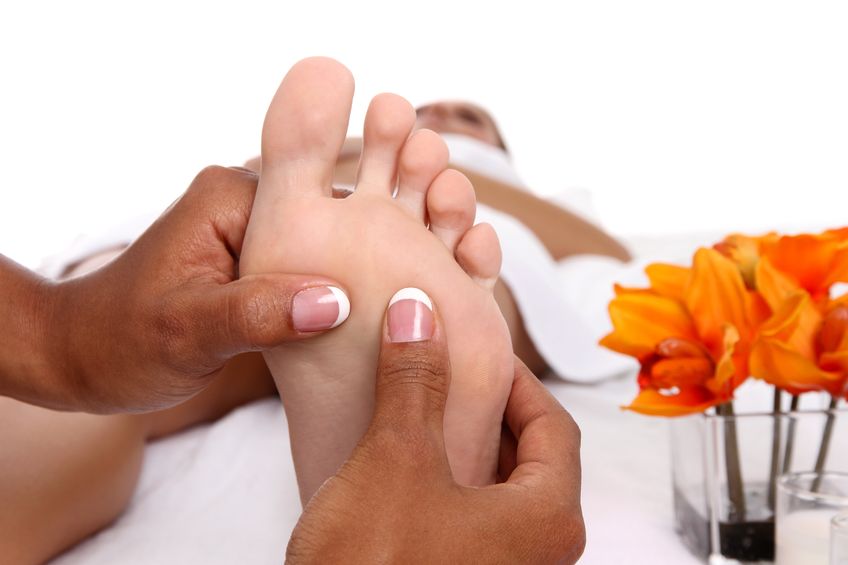
The therapy involves stimulating reflex points (nerve endings) on the feet (and sometimes other areas such as the hands, ears, or face) that correspond to organs, glands, and body systems.
Although Therapeutic Reflexology does not diagnose or cure specific medical conditions, many women report that regular sessions may help with:
- Relaxation and stress reduction;
- Supporting hormonal balance;
- Improving circulation;
- Enhancing overall wellbeing; and
- Reducing perceived pain levels.
For women dealing with chronic conditions such as endometriosis, this supportive approach may contribute to better quality of life and improved stress resilience.
- Personal Experience from Therapeutic Practice
Over the years, I have worked with numerous women experiencing menstrual pain and pelvic discomfort, including those previously diagnosed with endometriosis.
One example involved a woman in her early thirties who experienced severe monthly pain that significantly disrupted her work routine. After incorporating Therapeutic Reflexology sessions into her wellness routine, she reported a noticeable reduction in stress levels and an improvement in her overall sense of wellbeing to the point where she no longer had to take monthly sick leave.
Another example involved a woman in her early forties that struggled with endometriosis throughout adulthood. She experienced tremendous pain and accompanying constipation. After receiving Therapeutic Reflexology, she reported reduced pain levels, although the pain never disappeared. She did, however, indicate improved quality of life as she felt less stressed and slept better. She eventually received surgery where the growths outside her uterus were removed, but Therapeutic Reflexology could offer support in the interim while she was awaiting surgery. Therapeutic Reflexology is not necessarily the cure, but it may provide supportive assistance.
Each patient’s response to therapy is unique, but many women appreciate the deep relaxation and restorative effects that reflexology sessions provide, often resulting in improved quality of life amidst the situation they are dealing with.
- Conclusion
Endometriosis remains a challenging condition that affects many women in their most active and productive years.
While medical care remains essential for diagnosis and treatment, complementary therapies such as Therapeutic Reflexology may offer additional support for relaxation, stress reduction, overall wellness, and improved quality of life.
If you are experiencing persistent menstrual pain, pelvic discomfort, or unexplained fatigue, it may be worthwhile to explore a holistic approach that supports both medical care and lifestyle wellbeing. Sometimes improving health is not about finding a single solution, but rather about creating a balanced support system for the body and mind.
And the question remains: If a gentle, non-invasive therapy may potentially support your wellbeing and potentially alleviate unwanted symptoms, what do you have to lose by trying it?
Make your Therapeutic Reflexology appointment today!
References
OpenAI. (2026). ChatGPT (GPT-5.3) [Large language model]. Available at: https://chat.openai.com [Accessed: 10 March 2026].
—
Christo A. Scheepers: Therapeutic Reflexologist
DTR (Cum Laude), PhD
AHPCSA: A11945
Pr. No.: 0737453
Tel. 072-800 7243