Dysmenorrhea or painful periods are experienced by many females during the time of menstruation and in today’s post, we’ll consider this from a Therapeutic Reflexology perspective.
Period pain is a normal part of the menstrual cycle as the body functions because the endometrium or uterus lining is being shed and it can be a painful process, but each woman experiences it differently. What is just a normal process for one with some discomfort, is terribly painful for another, leading to taking leave from school, university, or work due to the level and type of pain is experienced differently.
Dysmenorrhea is experienced differently by different women; some experience cramping pains some days before the onset of menstruation while others experience it once the bleeding commences. In younger women, the pain may be present for the first two days and then subside while in older women the pain may exacerbate as the menstrual cycle progresses. The pain may be dull, cramping, or intense spasms in the abdominal region, or it may be experienced in the lower back and even go down the legs and thighs, and may be associated with discomfort, fatigue, mood changes, dizziness, headaches, diarrhea, nausea, and/or vomiting.
There are two types of dysmenorrhea, namely primary and secondary. Primary dysmenorrhea is the most common type from unknown causes, although prostaglandins may be causing it in some women, and it may be irregular while usually commencing from the first period in teenage girls. The pain may last for up to three days, but usually, it is worst in the first two days. Secondary dysmenorrhea is usually caused by underlying conditions like adenomyosis, cervical stenosis or narrowing, congenital abnormalities, endometriosis, intrauterine coil devices, pelvic infections, pelvic inflammatory disease, sexually transmissible infections, or uterine fibroids.
When you experience dysmenorrhea, it may be a good idea to visit a medical doctor for an examination, urine and blood tests, diagnosis, and treatment that may include medication, oral contraceptives, hormonal treatment, or prostaglandin inhibitors, or you may have to visit a Gynaecologist for a pelvic examination, pelvic ultrasound, laparoscopy or hysteroscopy, and the accompanying treatment. Self-help techniques you may want to consider that may relieve pain, are applying heat or taking a warm bath or shower, using over-the-counter painkillers, massaging the affected areas, adjusting lifestyle like reducing intake of salt, sugar, caffeine, and alcohol, stop smoking that increases the risk of period pains and doing some exercise. When experiencing dysmenorrhea, you may not feel like doing any exercise during the times you experience the pain, but exercise like gentle swimming, walking, or even cycling, may actually assist in reducing the pain.
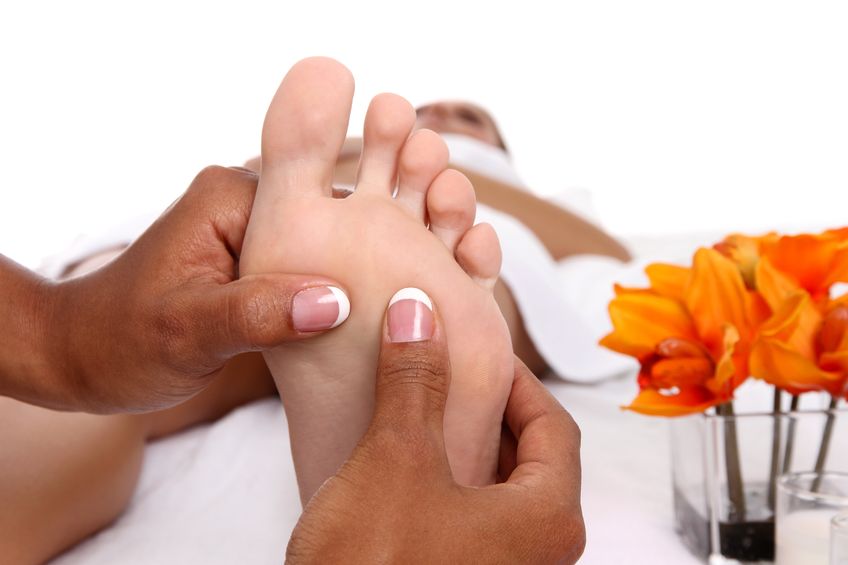
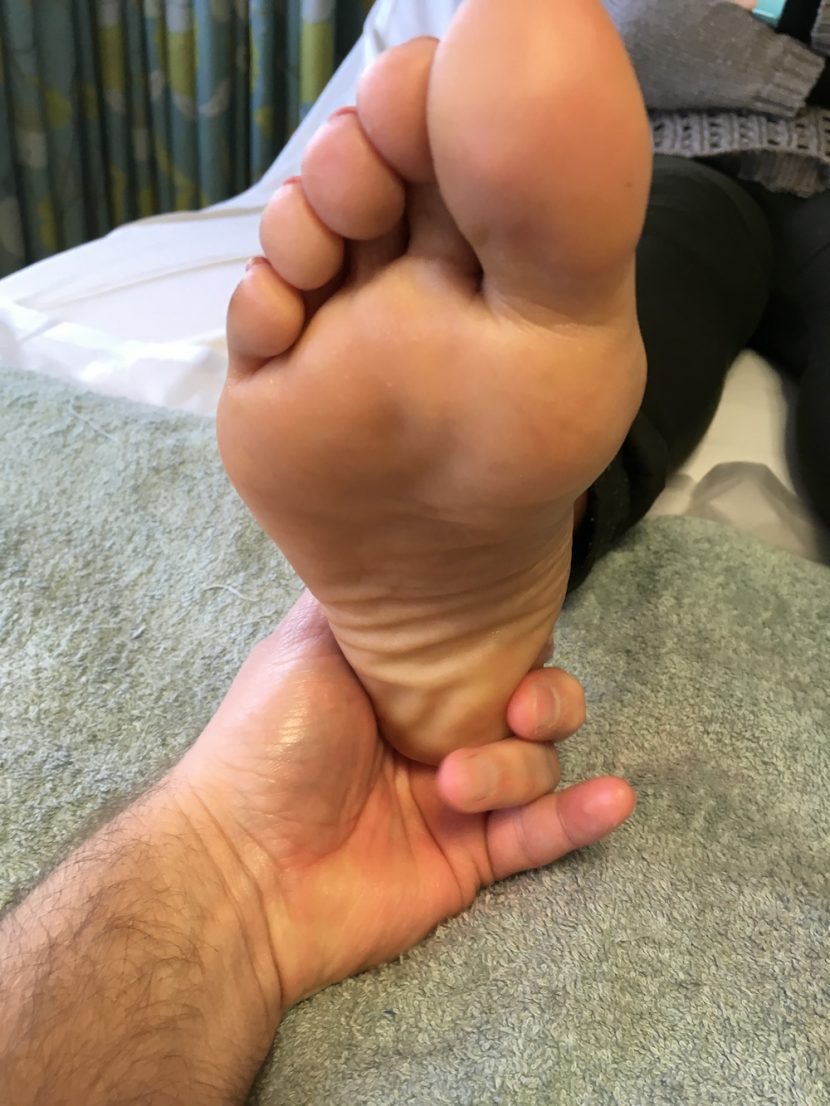
Visiting a Therapeutic Reflexologist may also assist with pain relief and reducing the intensity of the period pains. From a Therapeutic Reflexology perspective, it may be said that period pains are a form of imbalance in the body, even though it is accompanied by a normal bodily process of menstruation, and since Therapeutic Reflexology is known for restoring balance (homeostasis) in the body, you may find relief from the intensity of the pain by receiving a Therapeutic Reflexology treatment. Receiving regular Therapeutic Reflexology treatment may assist the body to become more in balance, leading to you being able to control the monthly period pains more effectively, and often women may experience less severe pain. If there are underlying conditions causing the dysmenorrhea, Therapeutic Reflexology may not resolve the condition, but it has the potential to increase the quality of life by helping the body to control the pain more effectively.
From a personal perspective, I have worked with numerous women dealing with dysmenorrhea, even as a result of endometriosis, and many have received tremendous improvement. I remember the one doctor that had to take off from work every month as a result of the severity of the pain, but after including Therapeutic Reflexology in her treatment regime, she was able to deal with the pain more effectively and after not having to take off from work the next month, she including Therapeutic Reflexology in her monthly preventative healthcare treatment and by receiving one or two Therapeutic Reflexology sessions a month, she is able to deal with the dysmenorrhea without having to take off from work every month. It is instances like this that make me feel so honoured to be a Therapeutic Reflexologist and becoming part of the solution of contemporary matters women are dealing with.
If you are struggling through painful periods every month, why not give Therapeutic Reflexology a chance and see if it may work for you?
Make your appointment today!
References
ACOG (The American College of Obstetricians and Gynaecologists). (2021) Dysmenorrhea: Painful Periods. [Online] Available from: https://www.acog.org [Accessed 21 September 2021].
Christianson, M. (2021) Period pain: Could it be Endometriosis? [Online] Available from: https://www.hopkinsmedicine.org [Accessed 21 September 2021].
Lumsden, M.A. and Hickey, M. (eds.) (2000) Royal College of Obstetricians & Gynaecologists Complete Women’s Health. London: Thorsons.
Manwaring, J. (2021) How common is period pain? [Online] Available from: https://www.jeanhailes.org.au[Accessed 21 September 2021].
Martel, J. (2020) What causes painful menstrual periods and how do I treat them? [Online] Available from: https://www.healthline.com [Accessed 21 September 2021].
NHS. (2019) Period pain. [Online] Available from: https://www.nhs.uk [Accessed 21 September 2021].
—
Christo A. Scheepers: Therapeutic Reflexologist
Dip.T.R.(Cum Laude) [IARAMT]
AHPCSA: A11945
Pr. No.: 1080000737453
Tel. 072-800 7243