Frequently Asked Questions

What is Therapeutic Reflexology?
A Complementary, Non-Invasive Health Modality
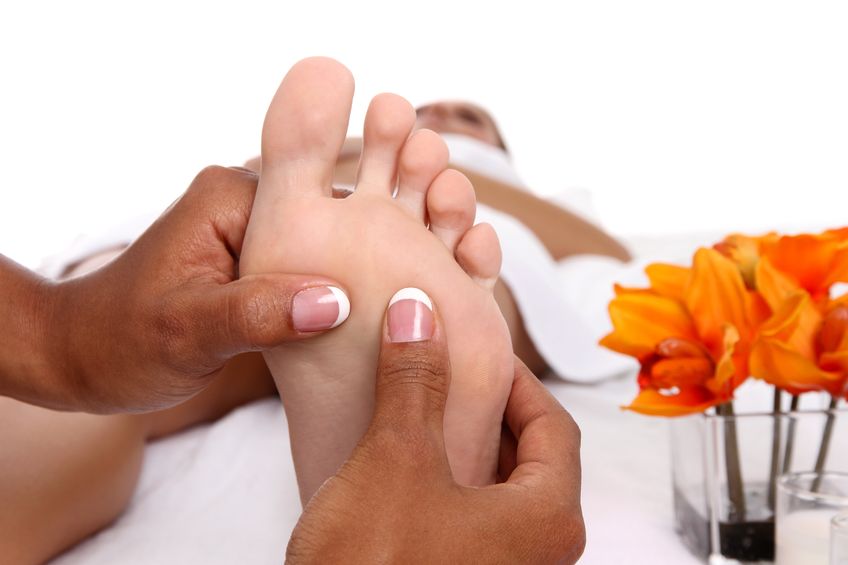
 Therapeutic Reflexology is a professionally regulated complementary health modality that uses precise pressure techniques on specific reflex points (nerve endings) on the feet (and other parts like the body, ears, face, and hands). These reflex areas correspond with organs, glands, and body systems, and stimulating them supports the body’s natural ability to regulate, recover, and restore balance.
Reflexology is non-invasive, gentle, and suitable as complementary support alongside conventional medical care—particularly valuable for women managing stress, hormonal fluctuations, and modern lifestyle demands.
How the Technique Works

Using specialised thumb and finger techniques, targeted reflex points on the feet are gently stimulated to encourage calming neurological responses. These help reduce stress and tension, support nervous-system regulation, promote a sense of hormonal and systemic balance, and enhance overall wellbeing.
Sessions are deeply relaxing and help the body shift from a stress state (fight-or-flight) toward a restorative state (rest-and-digest), where the body's natural ability to rest and recover can function more effectively.
A Regulated Health Profession in South Africa
 In South Africa, Therapeutic Reflexology is a legally regulated profession under the Allied Health Professions Council of South Africa (AHPCSA) statutory council, as defined in the Allied Health Professions Act, 1982 (Act 63 of 1982).
Only practitioners registered with the AHPCSA may legally practice Therapeutic Reflexology. This protects the public by ensuring that therapists are professionally trained, qualified, and accountable to statutory standards.
When choosing a reflexologist, always ensure that the practitioner is AHPCSA-registered and professionally recognised.
What is Reflexology versus Therapeutic Reflexology?
Reflexology is an emerging non-invasive therapeutic modality in the Complementary and Alternative Medicine (CAM) industry gaining popularity as a natural healing therapy of choice in Western society. It is a holistic therapy working mostly on a patient’s feet, but sometimes also on other parts of the body like the hands or the ears.
Therapeutic Reflexology is a profession formally regulated by the Allied Health Professions Council of South Africa (AHPCSA) alongside professions like chiropractic, homeopathy, naturopathy and therapeutic massage therapy. It is based on scientific principles and believes that the feet (and other parts of the body) represent a microcosm or a representation of the entire body. Therapeutic Reflexology is both an art and a science; an art because it is dependent on the skill of the reflexologist and a science because it is based on the study of physiology and neurology.
What is Reflexology versus Foot Massage?
Foot reflexology is sometimes mistakenly seen as a foot massage by the general public, especially in South Africa where the beauty industry sometimes claims to also do reflexology. The so-called “reflexology” performed in the beauty industry is nothing more than a mere foot massage where the feet are massaged using various massage techniques to relax the soft tissue in the feet, even when they sometimes refer to a reflexology chart.
Therapeutic reflexology is a therapeutic modality working with specific thumb and finger pressure techniques on the feet with the purpose of inducing deep relaxation so the body can heal itself and improve health and wellbeing. A foot massage intends to relax a person, while therapeutic reflexology intends to cause physiological change to improve health and wellbeing and as such foot massage falls in the beauty and spa industry while therapeutic reflexology is professionally regulated by the AHPCSA in the complementary medical industry alongside other complementary medical therapists and practitioners.
What is Reflexology versus Podiatry?
Reflexologists do not diagnose or treat any feet conditions, but apply pressure to reflex areas (nerve endings) on the feet in order to increase overall health and wellbeing. Podiatrists diagnose and treat foot ailments and foot disorders like corns, calluses, ingrown toenails and bunions through biomedical, surgical and other treatment methods.
How does reflexology work?
Reflexology works by means of the nervous system. When the foot is touched, it is felt due to a complex nervous system connecting body parts and similarly when the feet are stimulated, it has a positive effect on the whole body by inducing deep relaxation. The specific part stimulated on the foot has a positive effect on the associated body part by means of the connected nervous system and the transfer of impulses along associated pathways. Reflexology is ideal for stress relief and as stress is reduced, bodily functions improve and gives the body the opportunity to heal itself and to return to a state of homeostasis (balance). During this process the body produces endorphins which makes a person feel good, but also reduces pain as it is a natural pain killer. Calcium crystal deposits are sometimes felt in the feet (the end point of bodily circulation) and during reflexology these crystals are broken down and toxins released through improved circulation. Reflexology stimulates overall health and wellbeing.
Will reflexology treatment heal or cure a condition?
No, reflexology does not cure or heal a specific condition, but assists the body in functioning optimally and stimulate its own innate healing abilities. Reflexology deals with the root cause of disease by inducing deep relaxation and reducing stress in order to enable all bodily systems to function at its best while improving circulation which delivers important nutrients and oxygen to all the body organs, glands and systems. When the body functions optimally, it has the ability to naturally deal with disease, conditions and discomfort. Reflexology is a great modality to use when patients want to accept responsibility for their own health.
Can a reflexologist diagnose?
No, a therapeutic reflexologist is registered with the AHPCSA as a therapist and not as a diagnostic practitioner and therefore cannot diagnose or claim to heal. A reflexologist can provide therapy for previously diagnosed conditions by working on the entire foot which represents the whole body and then focus a bit more time on specific areas which represent different organs in the body in order to assist the body to heal itself.
The reflexologist has to assess the patient and during the first session a health history will be taken and the patient’s feet will be assessed to determine if any areas are sensitive, tender, sore or painful. This is sometimes called diagnostics and should not be confused with diagnoses as it does not identify an illness condition, but rather determine the present state of the patient in order for the reflexologist to follow the best possible approach for each individual. When the reflexologist asks any questions or makes any comments about specific organs or areas during a session, it should not be seen as a diagnoses or that something might be wrong with the specific organ or area as it is only an assessment of the present state of health so the best possible treatment can be offered.
What to expect during a reflexology treatment?
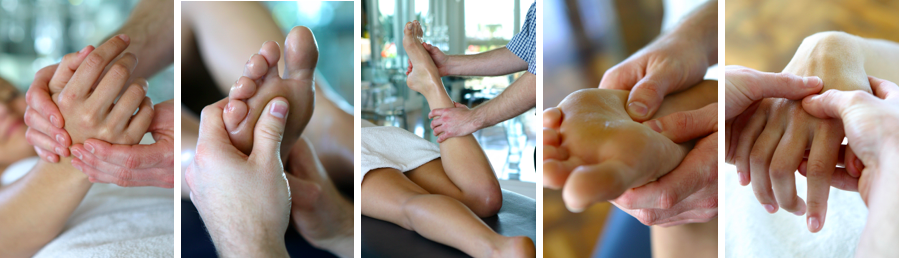
The session is usually very pleasant and the patient will be very relaxed and may even drift off or fall asleep. When the reflexologist work on specific reflexes on the feet, the patient may experience corresponding sensations in the specific organ or part of the body which can include discomfort, temperature changes, tingling feelings, pleasurable feelings, warmth or even emotional reactions. Certain reflexes on the feet may be sensitive, sore or painful. The reflexologist does not intend to cause pain, but when it occurs, it is dealt with accordingly as a normal part of the treatment.
- First Session
During the first session, a complete case history will be taken followed by a therapeutic reflexology assessment (includes a physical reflexology assessment and/or a Vacuflex reflexology assessment) followed by Therapeutic Reflexology Treatment (includes manual reflexology treatment and/or Vacuflex electronic reflexology treatment). The first session is usually focused on foot reflexology. The Vacuflex treatment includes the Vacuflex Pressure Boots and/or Vacuflex Pressure Cups. The first session has a duration of 60 minutes but longer sessions may be provided on patient request.
- Follow-up Sessions
Follow-up therapeutic reflexology sessions are usually 60, 90, or 120 minutes in duration. A customised combination of therapeutic reflexology services is offered to each patient, including both manual therapy and/or Vacuflex electronic therapy to ensure the link between ancient and contemporary reflexology treatment is offered to each patient. The sessions may be focused on foot reflexology or it may include a combination of foot reflexology with any of the other forms of reflexology listed above.

What is expected of the patient during reflexology treatment?
The patient should relax and enjoy the treatment, but it is important to bring it under the reflexologists attention when a certain reflex on the feet is sensitive, sore or painful and when any specific reactions are experienced during the treatment. It is important to realise that the session is the patient’s time for relaxing and taking responsibility for his/her own health and therefore it is encouraged that no cell phones or electronic devises are used during the treatment to give you some well deserved “me” time.
Why does certain reflexes hurt?
Certain reflexes on the feet may hurt as it is a normal response, but sometimes it can indicate congestion in the area due to calcium crystal deposits on the nerve endings or areas that are out of balance. It can be due to a past injury on the specific part of the foot. Sometimes it can even be due to an injury, condition or just plain stress in a specific bodily organ that shows up as a sensitive reflex on the feet. It can also be an indication of an organ recovering or the body getting itself back into balance. It is no reason for concern and you need not to worry as reflexology can cause no harm as it assists the body to get itself back into balance.
How many treatments are needed?
Every patient is different due to age, gender, illness conditions, response time and it will be evaluated and discussed with the patient after the first treatment. Patients may experience results after the very first treatment, but sometimes it takes between three to six sessions for more long lasting effects. For a good maintenance plan, regular sessions of once to three times a week may be beneficial, but sometimes once or twice a month may suffice.
Christo Scheepers does not believe in keeping you in treatment unnecessarily and will discuss progress or possible discontinuation if needed.
What to expect after a reflexology treatment?
Many patients experience improved sleep, increased urination and elimination of toxins as well as an improvement in the presenting condition. Sometimes the patient may experience a healing crisis (I like to rather call it a healing response) where a condition will first worsen, old symptoms may briefly reappear or cold and flu like symptoms and even a dull headache may be experienced before there is an improvement. To assist the body in elimination, remember to drink sufficient water, especially during the day after a session and to get enough rest.
Why are personal details required?
Similar to going for a medical consultation, the therapeutic reflexologist needs to get an overall idea of the individual patient and his/her state of wellbeing in order to follow the best possible treatment approach and to ensure contra-indications are dealt with appropriately. All personal details and documentation are confidential and dealt with as medical records according to the AHPCSA guidelines and according to POPI Act regulations.
What are the contra-indications to reflexology?
Therapeutic reflexology is usually safe to use for all people with all conditions and although it may not improve a specific condition, it can offer valuable pain relief and improved quality of life. However, certain precautionary measures need to be taken and approval from a medical doctor may be required with certain conditions like deep vein thrombosis, phlebitis, internal bleeding, insulin dependency, first trimester pregnancy, lymphatic cancer, leukaemia, osteoporosis, epilepsy, cancer, HIV/AIDS, infectious diseases, certain heart conditions and haemorrhages. When a patient has a foot infection or damaged skin areas, the reflexologist may choose to rather postpone the treatment until after it improved, refer the patient for medical treatment or gloves may be used during the session, but this is up to the reflexologist’s discretion.
Will the reflexologist be embarrassed about the condition of the patient's feet?
No, not at all. The therapeutic reflexologist is a professional working with the feet of many in all shapes, sizes and conditions. What the patient may see as embarrassing, may be a good indication of your wellbeing to the trained reflexologist. Many people feel embarrassed about their feet so you are not alone, but be assured that feet are the reflexologist’s territory and it is a privilege to work with yours so you will never be made to feel self-conscious or embarrassed about your feet. The reflexologist may even give you valuable advice on improving the condition of your feet if you ask.
Should a patient go to a reflexologist that is of the same gender?
Not necessarily; the therapeutic reflexologist is a professional and works with genders and patients of all ages. It all depends on how comfortable you are with a specific reflexologist. What is more important, is to ensure that the reflexologist you visit is qualified through a recognised institution and professionally registered with and regulated by the AHPCSA.
My feet are ticklish; will I be able to go for reflexology?
Yes, reflexology uses pressure techniques which are not ticklish at all.
What is the cost of a reflexology treatment?
The cost will depend on the duration of the treatment and what is part of the session. Christo Scheepers works on medical aid rates which is a fair price for a quality service.
Will medical aid pay for a reflexology treatment?
That will depend on your medical aid and the specific benefits you have on your medical aid plan. Therapeutic Reflexology is covered by multiple medical schemes and it is paid from the savings portion of the medical aid.
Please note the following about the practice of Christo Scheepers Therapeutic Reflexologist:
- Medical Aid Rates are applicable as the fair industry recommended rates for treatment sessions
- Major Debit and Credit Cards as well as SnapScan are accepted for payment
- This practice is contracted out of medical aids and therefore the patient is responsible for settling the account and then to claim back from the medical scheme (reimbursement is possible depending on your medical scheme benefits and medical aid option/plan)
- Formal accounting documentation is provided to each patient for medical aid claims or for annual tax returns purposes.
What payment options do you accept?
Medical Aid Rates Apply
- Medical Aid Rates are applicable as the fair industry recommended rates for treatment sessions
- Major Debit and Credit Cards accepted for payment
- This practice is contracted out of medical aids and therefore the patient is responsible for settling the account and then to claim back from the medical scheme (reimbursement is possible depending on your medical scheme benefits and medical aid option/plan)
- Formal accounting documentation is provided to each patient for medical aid claims or for annual tax returns purposes
- Corporate Calls, Hospital Calls, and House Calls will incur a travel fee as per AA rates.


Is therapeutic reflexology suitable during fertility and pregnancy journeys?
Therapeutic reflexology may be offered during fertility journeys, pregnancy and post-natal wellbeing, depending on individual circumstances and relevant precautions. It is complementary, non-diagnostic and does not replace medical or fertility care.