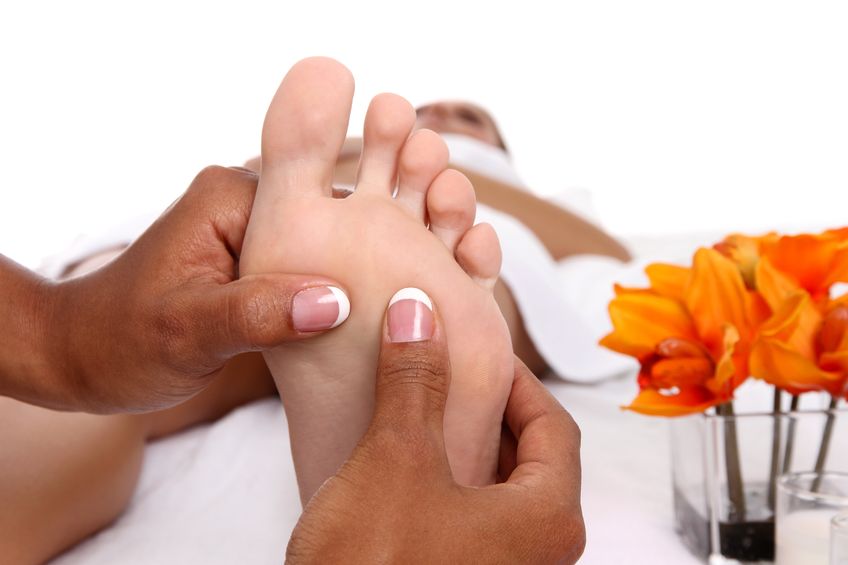
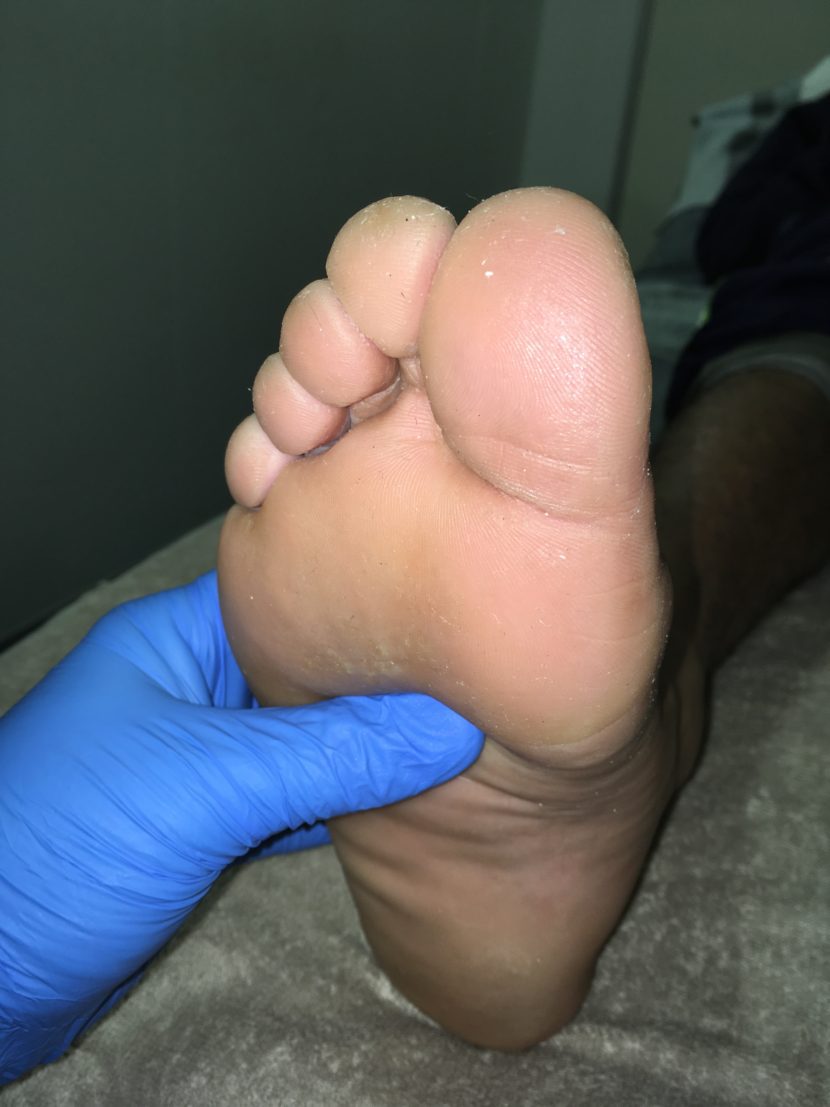
Did you know that Therapeutic Reflexology can assist you after having surgery? In this post, we’ll consider the use of therapeutic reflexology after surgery.
Surgery is one of those things you sometimes need to undergo. As I write this, I immediately think about my own situation where I had to undergo sinus surgery just over a week ago. The surgery was needed, but not due to a health condition like sinusitis, but due to a structural problem, I have been experiencing since childhood. What really stood out for me from the specific Ear, Nose and Throat (ENT) surgeon, is the fact that this is the third sinus surgery I received from him and before even suggesting surgery, he always looks at medical and natural alternatives first and once those have been tried, only then surgery is suggested.
Sometimes the only way to deal with a problem, especially when it is a structural problem, is surgery. The results are usually tremendous and it is amazing for me to be able to breathe again; what a privilege that medical science and technology have evolved to the point where surgery can help to improve your life, but after surgery, there are usually some after effects that a person has to live with.
Pain is often a result of surgery, but the medical specialists usually keep it under control with some strong pain medication prescribed after the surgery. What usually affects me, though, is the after effects of the anaesthesia. Unless things go terribly wrong during surgery resulting in severe after effects like heart attacks or strokes, most people handle the anaesthesia without much complication, but some do experience some after effects that may range from dizziness, nausea, and vomiting to difficulty passing urine to confusion and sometimes memory loss (Newman, 2018).
Feeling extremely sleepy after surgery for a couple of days following the surgical procedure is one of the after effects I have to deal with and it is usually accompanied by low blood pressure and dizziness. As I was recuperating from the sinus surgery, I was thinking about the fact that therapeutic reflexology is the ideal complementary healthcare modality to assist patients with post-operative care.
Therapeutic reflexology is a registered healthcare modality in South Africa known for helping the body balance itself by inducing deep relaxation through the physical touch therapy where the reflexes or nerve endings of the body is stimulated on the feet, hands, face, ears, and body within the scope of practice of the modality.
Surgery affects the body positively but usually leaves some pain to deal with for a specific period after the procedure, depending on what the surgical procedure was. Therapeutic reflexology may assist the body in dealing with the pain by inducing relaxation and helping the body to heal itself from the inside out or at least attempt to balance itself and in the process, it may assist with pain management.
Yes, the medical specialist would have provided pain medication, but with the use of any medication, there are chemicals entering the body and therapeutic reflexology may also assist the body in eliminating the excess chemicals in the body as it is a good modality to assist with detoxification and counteracting toxins and chemicals in the body.
General anaesthesia may also leave some remains of chemicals in the body and therapeutic reflexology may assist the body in balancing itself by ridding the body of excess chemicals and toxins.
It is not the intent to portray the idea that medication and anaesthesia harm the body, in fact, it may be needed and even the use of natural medication may leave some unwanted substances and even chemicals in the body. Therapeutic reflexology is a physical therapeutic modality that has the ability to help the body balance itself by ridding itself of all chemicals, toxins, and substances that are in excess or unwanted in the body. Nothing sinister about it; it is merely a healthcare modality that may assist the body to heal itself or balance itself and in the process of doing so, it may assist in speeding up the healing process.
Surgery has been necessary for me and it was longed for, especially in the weeks preceding the surgery when breathing was a huge problem. I needed anaesthesia, obviously! I do not want to be awake while a surgeon cuts and burns and do all kinds of surgical procedures on me. However, after the surgery while busy recovering, it is not uncommon to feel a bit “down” and sorry for yourself for not being able to do everything you could do, because the recovery process might take a bit longer than expected. This is normal and every person reacts differently to the days following surgery.
Therapeutic reflexology is a recognised complementary healthcare modality in South Africa that can assist during the recuperating period. Therapeutic reflexology is complementary in nature and therefore would never work against the medical or surgical treatment and it would do no harm. It is effective in relaxing you during a period when you need to relax. It may assist the body to cleanse itself from excess or unwanted chemicals, toxins, and substances in order for the healing process to occur speedily. It may uplift the mood in a period when you are not yourself yet and you long to be up and running (or walking for those of you who do not like to run) instead of in the process of recovery. It may be worth it to consider adding therapeutic reflexology to the healing regime after undergoing surgery.
Do you have to undergo surgery?
Have you ever considered receiving therapeutic reflexology after the surgery during your recovering period in order to assist your body to heal itself faster? It may be something to consider.
References
Newman, T. (2018) What to know about general anesthesia. [Online] Available from: https://www.medicalnewstoday.com [Accessed 1 July 2019].
—
Christo A. Scheepers: Therapeutic Reflexologist
Dip.T.R.(Cum Laude) [IARAMT]
AHPCSA: A11945
Pr. No.: 1080000737453
Tel. 072-800 7243