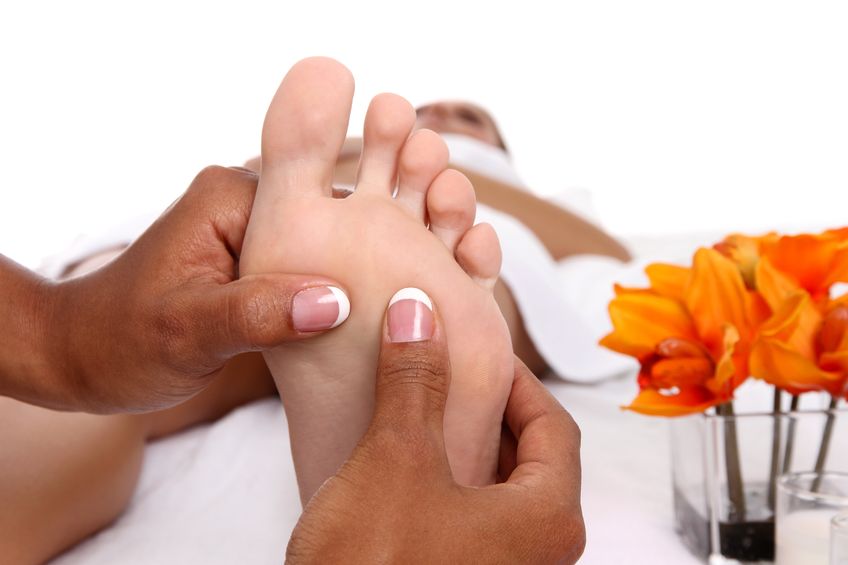
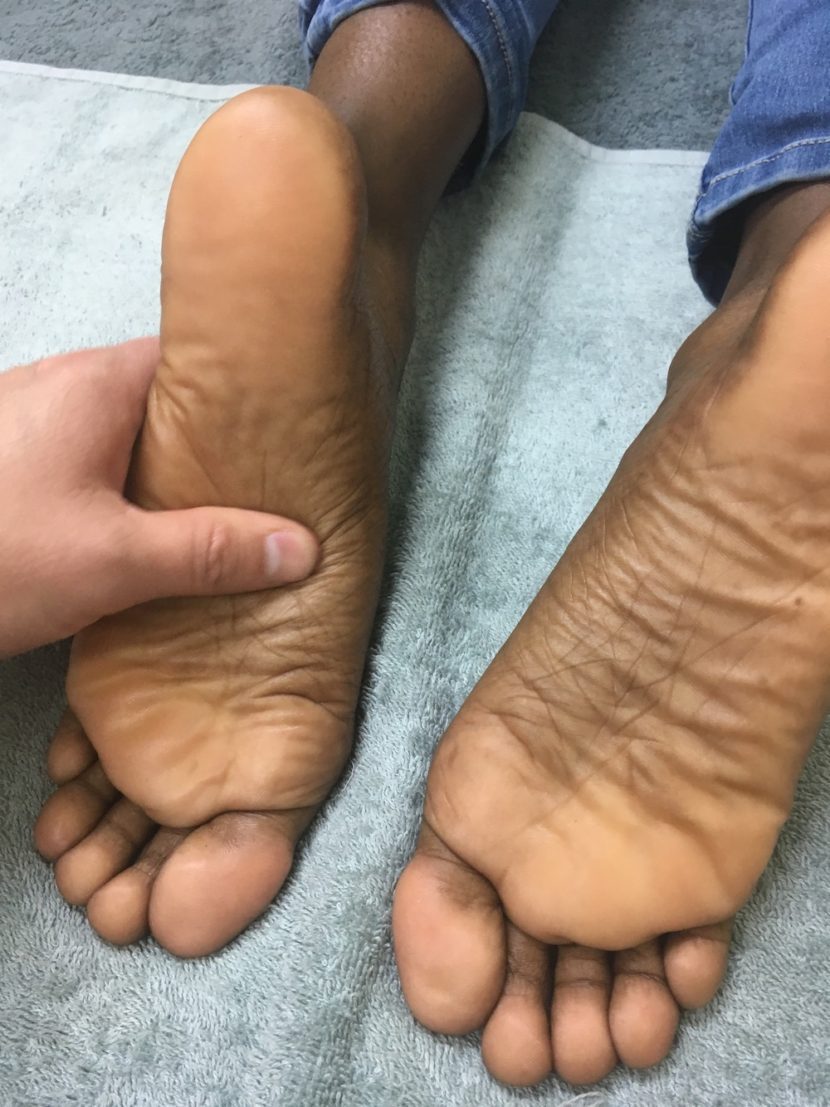
When you visit a therapeutic reflexologist, there are certain expectations that you should have. In the previous post we looked at unrealistic expectations some patients have and it was mentioned that therapeutic reflexology is a healthcare modality and not a miracle cure and therefore you should not have unrealistic expectations where you expect to obtain total healing for a condition you have been struggling with for the past ten years within only one session. That being said, when you do visit a therapeutic reflexologist, there are certain realistic expectations that you should have. This post looks into these realistic expectations.
- Affordability
Therapeutic Reflexology is a recognised healthcare modality in South Africa formally regulated by the Allied Health Professions Council of South Africa (AHPCSA) and therapeutic reflexologists in private practice should have a practice number obtained from the same organisation where medical doctors obtain their practice numbers, namely the Board of Healthcare Funders (BHF). With a valid practice number, it is possible to be reimbursed for therapeutic reflexology sessions from your medical aid, but it depends on whether your medical aid covers therapeutic reflexology and on which plan/option of the medical aid you are on. It remains the responsibility of the patient to inquire from their medical aid whether therapeutic reflexology is covered or not. Presently, there are about 14 medical aids in South Africa that cover therapeutic reflexology.
When you visit a therapeutic reflexologist, you may have the expectation to pay an affordable fee and not being financially exploited. The question that immediately emerges, is what can be seen as an affordable fee?
In my practice, I work on medical aid rates, which means I charge the same amount medical aids see as an affordable fee, because I believe that to be a good fee for the services being rendered. Different therapeutic reflexologists work on different rates, so feel free to enquire from your therapeutic reflexologist of choice about the fees charged. Some do charge a fee higher than medical aid rates, just like some medical doctors work at higher fees and they would say that they work at 150% of medical aid rates or 200% or even 300% of medical aid rates, because they believe that medical aid rates are too low to cover operational expenses.
Personally, I believe that the medical air rates for therapeutic reflexology is reasonable and therefore I do not charge a higher rate.
Some therapeutic reflexologists work for a rate that is lower than medical aid rates, but again it remains the patient’s responsibility to inquire about this. When a therapeutic reflexologist charges below the acceptable medical aid rates, there is usually a reason for this and unfortunately, it may be due to not feeling confident enough in their ability as a therapist. The question you should ask yourself, is why a therapeutic reflexologist would choose to work at a lower rate if the medical aid rate is very reasonable and definitely in line with industry standards? You may find that if a therapist works for below medical aid rates, they are most probably not formally registered and regulated by the AHPCSA, which indicates that they are in actual fact practicing illegally.
Are medical aid rates for therapeutic reflexology really reasonable and affordable? Yes! Just think about it. When you visit your medical doctor, you pay more for that consultation than for a therapeutic reflexology session and the medical doctor spends 5 to 15 minutes with you while the therapeutic reflexologist spends 60 to 90 minutes with you. When comparing fees in this light, it is more than affordable. You may think that you should be paying more for the medical doctor who also diagnoses, and you may be correct, so let’s compare apples with apples or rather therapists with therapists.
The way therapeutic reflexology sessions are invoiced, is very similar to that of the physiotherapists. You are charged for therapy that usually spans over a certain period of time, which may vary from therapist to therapist. Physiotherapy sessions are usually of 45-minute duration and many therapeutic reflexologists may work on 45-minute sessions as well. Personally, I prefer doing 60-minute sessions with patients as it gives them a good break and offers great benefit.
Putting the whole affordability of therapeutic reflexology fees in perspective, let us consider the following. When you put fuel in your vehicle and fill up the tank, you would spend more money on one tank of petrol than you would for a therapeutic reflexology session. If you visit a health spa and get an hour massage, you would normally pay more for that one-hour session than you would for a therapeutic reflexology session and depending on the spa you visit, often you would pay up to three or four times more for an hour session at the spa. If you have your hair done, you usually pay at least double what you would get a therapeutic reflexology session.
Overall, medical aid rates prescribed for therapeutic reflexology sessions are very affordable.
- Professionalism
Another realistic expectation you should have when visiting a therapeutic reflexologist, is to receive a professional service. The AHPCSA provides clear rules that therapeutic reflexologists have to comply to, for example, the use of professional premises that are not part of your home and if a therapist chooses to work from home, the premises should have a separate entrance and restroom facilities in order for the patient to never walk through the home of the therapeutic reflexologist.
The therapeutic reflexologist should be formally trained and hold a Diploma in Therapeutic Reflexology, not only from a SAQA-accredited training institute, but an institution that is recognised by the AHPCSA. Presently, there are only three such institutes in South Africa, namely: The International Academy for Reflexology and Meridian Therapy (IARAMT), Camelot Institute and the Potchefstroom Academy.
Apart from formal training, the therapeutic reflexologist should have completed the compulsory practical training (community service) that formed part of the training in order to ensure that the therapist is competent in practically applying the techniques.
Most important, is that a therapeutic reflexologist is only allowed to legally practice in South Africa if they are formally registered and regulated by the AHPCSA, which is the only statutory council that may provide a license to practice for the profession. There is no other organisation that may issue a license to formally practice therapeutic reflexology in South Africa; all other organisations are just for added benefit, but not to offer the right to practice.
Ultimately, you would not go to a medical doctor or a specialist like a surgeon to work on you if they are not formally registered and regulated by the Health Professions Council of South Africa (HPCSA), because it may indicate that they are perhaps not competent for the task and definitely that they are practicing illegally. So, why would you want to go to a therapeutic reflexologist that is not formally registered and practices illegally?
- Relaxation
Therapeutic reflexology is an excellent healthcare modality for dealing with stress in your life and therefore you may have the realistic expectation to relax and destress during the session.
Stress is not always something you are able to avoid as many people experience stress at work and in traffic and at home and due to circumstances of life. Stress is everywhere and it affects all of us, but how we deal with it, is an indication of how it will affect your life over the long run. It is said that 85% of all known illness is caused by stress and the ones not caused by stress, are usually worsened by stress. It is, therefore, crucial to keep stress under control.
Therapeutic reflexology is one of the best healthcare modalities to help you relax and keep your stress levels under control, thus, feel free to have relaxation as a realistic expectation when visiting a therapeutic reflexologist.
- Health Benefits
Therapeutic reflexology is a healthcare modality that may offer many health benefits other than reducing stress, namely:
- Elimination of toxins from the body;
- Improving blood circulation;
- Improving cognitive health;
- Improving metabolism;
- Reducing headaches;
- Relieving anxiety;
- Relieving insomnia;
- Stimulating the nervous system; and
- Many more.
As a recognised healthcare modality, therapeutic reflexology has many positive health benefits. Furthermore, it is an excellent modality to assist with reducing side effects that you may be experiencing due to the use of long-term medication and even chemotherapy.
Therapeutic reflexology does not heal a person, but it helps the body to relax, destress and excrete chemicals like endorphins that help the body to heal itself from the inside out, or at least attempt to balance itself out.
- Complementary Therapy
Therapeutic reflexology is a recognised healthcare modality and part of the multi-disciplinary field of healthcare and is, therefore, an ideal complementary therapy and not an alternative therapy. In other words, therapeutic reflexology will never replace your existing medical care; it will not replace your medical doctor and it will not replace your physiotherapist and it will not replace your psychologist and so forth, but instead, it will work effectively alongside your other healthcare professionals in order to offer you an ideal therapy to complement all other medical care and therapies.
When visiting a therapeutic reflexologist, there are numerous realistic expectations you may have, so do not hesitate to visit a qualified and formally regulated registered therapeutic reflexologist in order to enjoy the benefits of this popular complementary healthcare modality.
—
Christo A. Scheepers: Therapeutic Reflexologist
Dip.T.R.(Cum Laude) [IARAMT]
AHPCSA: A11945
Pr. No.: 1080000737453
Tel. 072-800 7243